
Introduction
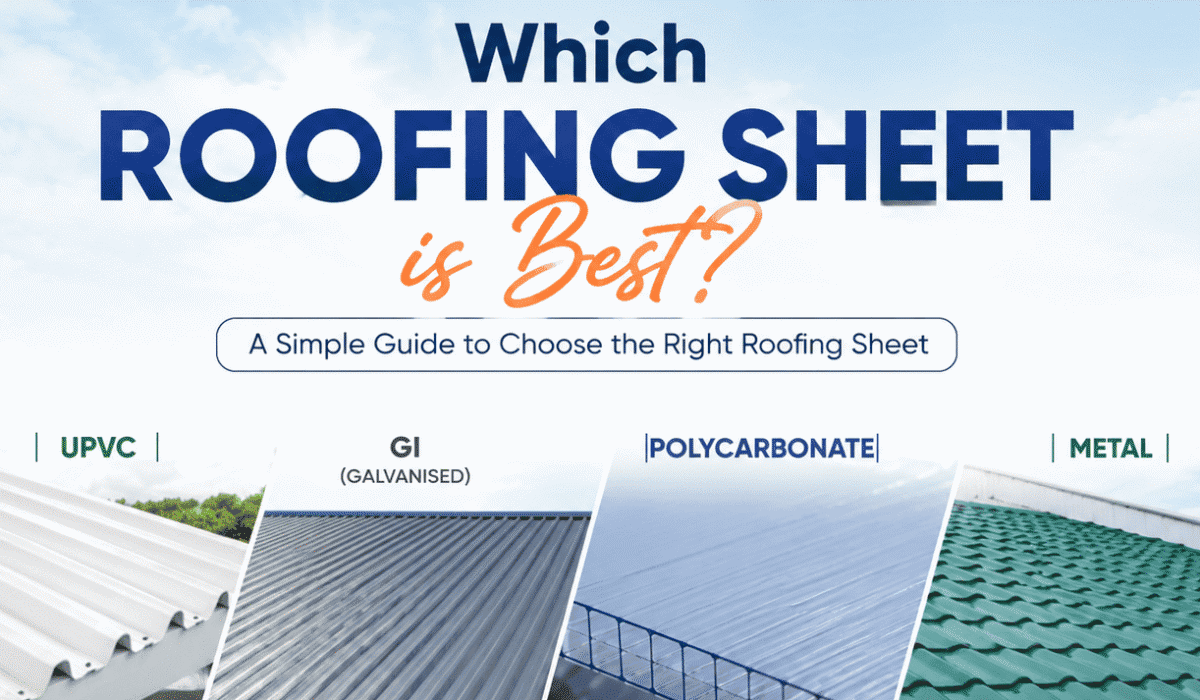
Choosing the right roofing sheet can feel confusing. There are so many materials on the market, and each one claims to be the "best." If you are building a home, a warehouse, a shed, or a car parking shed, this guide will help you understand the real differences between UPVC, GI (Galvanized Iron), Polycarbonate, and Metal roofing sheets — so you can pick the one that actually fits your needs.
Quick Answer: Best Roofing Sheet at a Glance
| Roofing Sheet | Best For | Lifespan | Price Range |
|---|---|---|---|
|
UPVC |
Homes, poultry farms, warehouses |
20–25 years |
Medium |
|
GI (Galvanized Iron) |
Industrial sheds, factories |
15–20 years |
Low–Medium |
|
Polycarbonate |
Skylights, canopies, greenhouses |
10–15 years |
High |
|
Metal (Steel/Aluminum) |
Commercial buildings, large roofs |
30–50 years |
Medium–High |
There is no single "best" roofing sheet for everyone — the right choice depends on your budget, climate, and how the roof will be used. Let's break each one down.
1. UPVC Roofing Sheets
UPVC (Unplasticized Polyvinyl Chloride) sheets are lightweight, heat-resistant, and don't rust or corrode. They are popular in residential buildings and food-related industries because they don't react with chemicals or moisture.
Advantages:
- Excellent heat insulation — keeps interiors cooler
- Doesn't rust, rot, or corrode
- Soundproof compared to metal sheets
- Termite and fungus resistant
- Easy to install and lightweight
Disadvantages:
- Can become brittle in extreme cold over time
- Slightly costlier than basic GI sheets
- Not as strong under heavy impact
Example: A poultry farm owner in a hot region chooses UPVC sheets because they reduce indoor temperature by several degrees compared to metal roofing, keeping the birds cooler without extra cooling costs.
2. GI (Galvanized Iron) Roofing Sheets
GI sheets are steel sheets coated with a layer of zinc to prevent rusting. They have been used for decades in Indian and South Asian construction because they are affordable and strong.
Advantages:
- Budget-friendly
- High strength and load-bearing capacity
- Easily available in every market
- Good for large industrial sheds
Disadvantages:
- Rusts over time if the zinc coating wears off
- Poor heat insulation — roofs get very hot
- Noisy during rain
- Shorter lifespan than metal alternatives like aluminum
Example: A factory owner building a large warehouse on a tight budget picks GI sheets because they cover a huge area at a low cost, even though the shed gets noticeably hot in summer.
3. Polycarbonate Roofing Sheets
Polycarbonate sheets are transparent or semi-transparent plastic sheets, often used where natural light is needed — like skylights, car sheds, or greenhouse roofs.
Advantages:
- Allows natural light through (transparent or tinted options)
- Highly impact-resistant, doesn't shatter like glass
- UV-protected coatings reduce sun damage indoors
- Available in multiple colors and light transmission levels
Disadvantages:
- More expensive than GI or UPVC
- Shorter lifespan compared to metal
- Can yellow or degrade with prolonged UV exposure if low quality
Example: A homeowner wants natural daylight in their car parking area without installing electric lights, so they use a polycarbonate sheet roof — it lets sunlight in while still protecting the car from rain.
4. Metal Roofing Sheets (Steel/Aluminum)
Metal sheets, especially color-coated steel or aluminum sheets, are known for durability and a modern appearance. They are widely used in commercial and high-end residential construction.
Advantages:
- Longest lifespan among all options (up to 50 years)
- Strong resistance to weather, fire, and pests
- Recyclable and eco-friendly
- Wide range of design and color finishes
Disadvantages:
- Higher upfront cost
- Can dent under heavy impact (hail, falling branches)
- Needs proper insulation to reduce heat and noise
Example: A commercial building developer chooses color-coated metal sheets for a 30-year roofing solution, since the long lifespan offsets the higher initial investment.
How to Choose the Best Roofing Sheet for Your Project
Ask yourself these questions before deciding:
- What's your budget? — GI is cheapest, metal and polycarbonate cost more.
- Do you need natural light? — Choose polycarbonate.
- Is heat insulation important? — UPVC or insulated metal sheets work best.
- How long do you want it to last? — Metal sheets outlast all other options.
- Is the area humid or coastal? — Avoid plain GI sheets; go for UPVC or aluminum, which resist corrosion better.
Conclusion
- Best budget option: GI sheets — cheap and strong, ideal for industrial sheds.
- Best overall value: UPVC roofing sheets — durable, heat-resistant, and reasonably priced.
- Best for natural light: Polycarbonate sheets — perfect for skylights and canopies.
- Best long-term investment: Metal sheets — highest durability and lifespan.
There's no universal winner — the best roofing sheet is the one that matches your climate, budget, and purpose.
Leave feedback about this